
What is

Public

Relations?
Defining Modern PR

PR Is Not What Most People Think It Is
Ask ten people what public relations means and at least eight of them will say something about press releases. That's not wrong but it's maybe 10% of the picture. Modern PR is the strategic practice of shaping how the public perceives a brand, a person, an organization, or an idea. It's about controlling the narrative before the narrative controls you. It lives at the intersection of credibility and visibility and when it's done right, no one even notices it's being done. The difference between a brand people trust and a brand people scroll past is almost always a PR problem. Not a product problem. Not a pricing problem. A story problem.
PR works by building relationships with the people and platforms that your audience already trusts. Journalists, editors, podcast hosts, industry publications, cultural tastemakers. When your brand gets featured in those spaces it carries a weight that paid advertising simply cannot buy. That's called earned media and it is the backbone of what public relations actually delivers. A full page ad tells people you paid to be there. A feature story in a publication they already read tells them someone else decided you were worth talking about. That distinction matters more than most brands realize.
Public Relations
Brand Authority
Modern PR Goes Way Beyond the Press Release
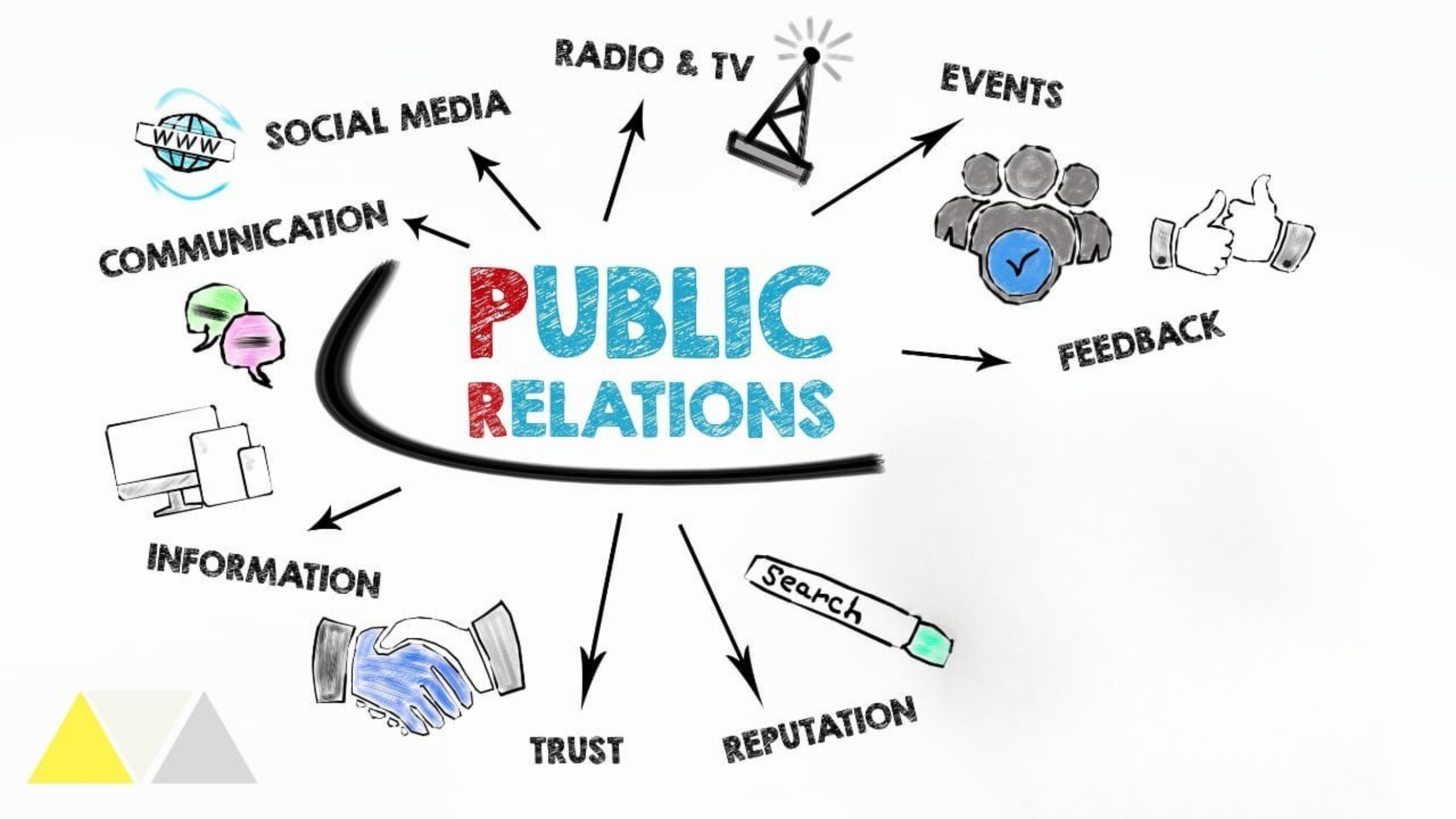
Today's PR landscape covers media relations, reputation management, crisis communications, thought leadership, influencer relations, event PR, executive positioning, and brand narrative strategy. It also has to work alongside marketing and communications rather than operating as a separate silo. A brand that has great PR but inconsistent marketing messaging is still sending a fragmented signal to its audience. The most effective PR today is integrated, meaning it's built into the overall brand strategy from the start rather than called in as a rescue operation when something goes wrong.
The brands that win in today's media environment are the ones that understand PR as an ongoing investment rather than a one-time campaign. It takes time to build relationships with media, establish credibility in a market, and create the kind of consistent presence that makes people say "I keep seeing them everywhere." That perception doesn't happen by accident. It's engineered, intentionally and strategically, over time. That's what modern public relations actually is. Not a press release. Not a crisis call. A long game built on trust, visibility, and the kind of authority that money alone cannot manufacture.
Go Back